

E-Commerce Bookkeeping Basics: A Guide for Online Business Owners
- rhpersonalbookkeep
- Jun 6
- 5 min read


Running an e-commerce business offers incredible opportunities for growth, but it also creates unique bookkeeping challenges. Unlike traditional businesses, online sellers often process payments through multiple platforms, manage inventory across different channels, pay marketplace fees, handle shipping expenses, and track sales tax obligations in multiple locations.
As an e-commerce business grows, accurate bookkeeping becomes increasingly important. Without organized financial records, it can be difficult to understand profitability, monitor inventory, manage cash flow, and make informed business decisions.
Whether you sell products through Shopify, Amazon, Etsy, Walmart Marketplace, eBay, or your own website, understanding e-commerce bookkeeping basics can help you build a stronger and more profitable business.
What Is E-Commerce Bookkeeping?
E-commerce bookkeeping is the process of recording, organizing, and managing financial transactions for an online business.
This includes tracking:
Sales revenue
Refunds and returns
Inventory purchases
Marketplace fees
Shipping expenses
Payment processing fees
Sales tax
Business expenses
The goal is to maintain accurate financial records that provide insight into the financial health of the business.
Why E-Commerce Bookkeeping Basics Matters
Many online business owners focus heavily on sales growth. While sales are important, revenue alone does not determine profitability.
Proper bookkeeping helps answer important questions such as:
Is the business profitable?
Which products generate the highest margins?
Are advertising costs producing results?
Is inventory being managed effectively?
How much cash is available?
Are expenses increasing faster than revenue?
Bookkeeping provides the financial visibility needed to make informed business decisions.
Separating Business and Personal Finances
One of the first steps in building an organized bookkeeping system is separating business and personal finances.
This includes:
Maintaining a dedicated business bank account
Using a business credit card
Tracking owner contributions separately
Avoiding personal purchases through business accounts
Keeping finances separate improves reporting accuracy and simplifies bookkeeping throughout the year.
Understanding Revenue Tracking
Revenue tracking is one of the most important aspects of e-commerce bookkeeping.
Many online sellers generate sales from multiple sources, including:
Shopify
Amazon
Etsy
Walmart Marketplace
eBay
WooCommerce
Social media shops
Tracking revenue properly ensures financial reports accurately reflect business performance.
It is important to record actual sales activity rather than relying solely on deposits received from marketplaces.
Gross Sales vs Net Deposits
Many new e-commerce business owners mistakenly record marketplace deposits as revenue.
However, marketplace deposits often include deductions for:
Selling fees
Shipping charges
Advertising fees
Refunds
Returns
Example
An online seller generates:
Gross Sales: $5,000
Marketplace deductions:
Fees: $400
Shipping: $250
Returns: $150
Net Deposit:
$4,200
The bookkeeping records should reflect the gross sales and associated expenses rather than simply recording the net deposit.
Understanding Cost of Goods Sold (COGS)

Cost of Goods Sold (COGS) is one of the most important financial metrics for e-commerce businesses.
COGS represents the direct costs associated with the products sold.
Common COGS expenses include:
Inventory purchases
Manufacturing costs
Product packaging
Freight-in costs
Product assembly costs
Tracking COGS accurately helps businesses calculate gross profit and evaluate product profitability.
The Importance of Inventory Tracking
Inventory is often one of the largest assets owned by an e-commerce business.
Without accurate inventory records, businesses may struggle to:
Determine profitability
Identify inventory shortages
Monitor product performance
Manage cash flow
Forecast purchasing needs
Inventory tracking provides greater visibility into product availability and financial performance.
Common Inventory Challenges
Many online businesses experience inventory-related issues such as:
Overstocking products
Running out of inventory
Inventory discrepancies
Slow-moving inventory
Excess storage costs
Proper bookkeeping and inventory management help reduce these challenges.
Managing Marketplace Fees

Online marketplaces and payment processors often charge fees for transactions.
Examples include:
Amazon Fees
Referral fees
Fulfillment fees
Storage fees
Shopify Fees
Subscription fees
Payment processing fees
App expenses
Etsy Fees
Listing fees
Transaction fees
Payment processing fees
Tracking these fees separately helps business owners understand their true operating costs.
Shipping and Fulfillment Costs
Shipping expenses can significantly impact profitability.
Examples include:
Postage
Packaging supplies
Fulfillment services
Third-party logistics providers
Monitoring shipping costs helps businesses identify opportunities to improve margins.
Managing Advertising Expenses
Many e-commerce businesses rely heavily on advertising.
Common advertising channels include:
Google Ads
Facebook Ads
Instagram Ads
TikTok Ads
Amazon Advertising
Tracking advertising expenses separately helps evaluate return on investment and marketing performance.
Understanding Sales Tax
Sales tax compliance is a major bookkeeping consideration for many online sellers.
Depending on the business structure and selling locations, e-commerce businesses may have sales tax obligations in various jurisdictions.
Bookkeeping systems should track:
Taxable sales
Sales tax collected
Sales tax liabilities
Accurate records support compliance and reporting requirements.
Managing Cash Flow
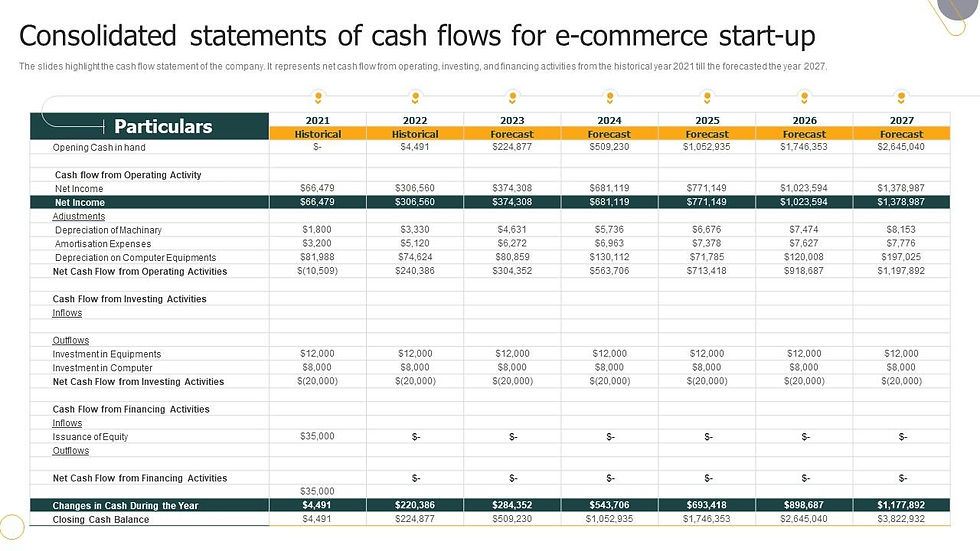
Cash flow management is critical for e-commerce businesses.
Even profitable businesses can experience cash flow challenges.
Common cash flow demands include:
Inventory purchases
Advertising campaigns
Shipping expenses
Software subscriptions
Payroll
Marketplace fees
Bookkeeping helps business owners understand available cash and prepare for future expenses.
Financial Reports Every E-Commerce Business Should Review
Accurate financial reports provide valuable information for decision-making.
Profit and Loss Statement
The Profit and Loss Statement shows:
Revenue
Cost of Goods Sold
Operating expenses
Net profit
This report helps determine overall profitability.
Balance Sheet
The Balance Sheet shows:
Assets
Liabilities
Equity
It provides a snapshot of the company's financial position.
Cash Flow Statement
The Cash Flow Statement shows:
Cash received
Cash spent
Changes in cash balances
This report helps monitor liquidity and cash management.
Product Profitability Analysis
Not all products generate the same profit margins.
Bookkeeping helps businesses evaluate:
Revenue by product
Cost of Goods Sold by product
Advertising costs
Shipping costs
Profitability
This information can support pricing and inventory decisions.
Common E-Commerce Bookkeeping Mistakes
Many online sellers encounter bookkeeping challenges as they grow.
Recording Deposits as Revenue
This can result in inaccurate financial reporting.
Ignoring Inventory
Inventory directly affects profitability and financial statements.
Failing to Track Marketplace Fees
Fees can significantly reduce profit margins.
Not Reconciling Accounts
Regular reconciliations improve bookkeeping accuracy.
Falling Behind on Bookkeeping
Delayed bookkeeping often leads to reporting errors and financial confusion.
Benefits of Organized E-Commerce Bookkeeping
Businesses that maintain organized financial records often experience:
Better profitability analysis
Improved inventory management
More accurate financial reports
Better cash flow visibility
Stronger decision-making
Easier tax preparation
Improved business planning
Bookkeeping provides a foundation for sustainable growth.
How Bookkeeping Supports E-Commerce Growth
As an online business expands, financial complexity increases.
Bookkeeping helps business owners:
Monitor financial performance
Manage inventory efficiently
Improve cash flow
Control expenses
Identify profitable products
Plan future growth
Accurate records support informed business decisions and long-term success.

Frequently Asked Questions
What makes e-commerce bookkeeping different from traditional bookkeeping?
E-commerce bookkeeping often involves inventory tracking, marketplace fees, payment processors, sales tax obligations, and multi-channel sales reporting.
Why is inventory tracking important?
Inventory directly impacts profitability, Cost of Goods Sold, cash flow, and financial reporting accuracy.
Should online sellers track marketplace fees separately?
Yes. Tracking fees separately helps business owners understand their true operating costs and profitability.
What financial reports should e-commerce businesses review?
Most online businesses should regularly review Profit and Loss Statements, Balance Sheets, and Cash Flow Statements.
Why is Cost of Goods Sold important?
COGS helps determine gross profit and provides insight into product profitability.
How often should bookkeeping be updated?
Bookkeeping should ideally be updated weekly or monthly to maintain accurate financial records.
Final Thoughts
E-commerce bookkeeping is much more than simply tracking sales. Online business owners must manage inventory, monitor Cost of Goods Sold, track marketplace fees, analyze profitability, and maintain organized financial records.
By implementing strong bookkeeping practices, e-commerce businesses can gain greater visibility into their operations, improve decision-making, and build a stronger financial foundation for long-term success.
Whether you sell products through Shopify, Amazon, Etsy, eBay, Walmart Marketplace, or your own website, RH Personal Bookkeeping Services LLC can help support sustainable growth and profitability.


Comments