

What Is Bookkeeping Cleanup? A Complete Guide for Small Business Owners
- rhpersonalbookkeep
- Jun 2
- 5 min read


Many small business owners start their businesses focused on serving customers, increasing sales, and growing revenue. Unfortunately, bookkeeping often gets pushed to the bottom of the priority list.
What starts as a few uncategorized transactions can quickly turn into months of incomplete records, unreconciled accounts, duplicate entries, and financial reports that no longer reflect reality.
When bookkeeping falls behind, business owners often find themselves asking questions such as:
How much money is actually available?
Am I making a profit?
Why doesn't my bank balance match my bookkeeping software?
How much do I owe in taxes?
Which customers still owe me money?
Without accurate financial records, these questions become difficult to answer.
Bookkeeping cleanup helps solve these problems by restoring organization and accuracy to a company's financial records. Whether you operate a contracting business in Dawsonville, a landscaping company in Canton, a retail store in Alpharetta, or a service-based business anywhere in Georgia, clean books are essential for making informed financial decisions.
Understanding Bookkeeping Cleanup
Bookkeeping cleanup is the process of reviewing, correcting, updating, and organizing a business's financial records to ensure accuracy.
The purpose is to eliminate errors, identify missing information, and create reliable financial reports that accurately reflect the financial condition of the business.
Bookkeeping cleanup may include:
Correcting transaction categories
Reconciling bank accounts
Reconciling credit card accounts
Fixing duplicate transactions
Reviewing payroll entries
Correcting Cost of Goods Sold (COGS)
Reviewing accounts receivable
Reviewing accounts payable
Updating customer records
Updating vendor records
Cleaning up the chart of accounts
The ultimate goal is to create financial reports that business owners can trust.

Why Bookkeeping Cleanup Is Important
Many business decisions depend on accurate financial information.
Business owners regularly make decisions about:
Hiring employees
Purchasing equipment
Taking out loans
Expanding operations
Pricing products and services
Managing cash flow
When bookkeeping records contain errors, these decisions may be based on inaccurate information.
For example:
A contractor reviews their Profit and Loss Statement and sees a profit of $75,000.
After a bookkeeping cleanup, several expenses were found to be missing.
The actual profit was only $48,000.
That difference could significantly impact future business decisions.
Accurate bookkeeping creates clarity.
Inaccurate bookkeeping creates confusion.
Common Signs Your Business Needs Bookkeeping Cleanup
Many business owners do not realize they need cleanup services until problems become obvious.
Here are some common warning signs.
Bank Accounts Have Not Been Reconciled
Reconciliation ensures bookkeeping records match actual bank balances.
If your accounts have not been reconciled for several months, errors may be accumulating unnoticed.
Financial Reports Do Not Make Sense
Profit seems unusually high.
Expenses appear too low.
Cash balances do not match bank accounts.
These are often indicators of bookkeeping issues.
Tax Season Creates Stress
If gathering financial records for tax preparation feels overwhelming every year, bookkeeping cleanup may be necessary.
Transactions Are Uncategorized
Many businesses have hundreds of transactions sitting in QuickBooks waiting to be categorized properly.
Over time, this can create inaccurate reports.
Duplicate Transactions Exist
Duplicate transactions commonly occur when:
Bank feeds are imported incorrectly
Transactions are entered manually and imported
Software synchronization errors occur
These duplicates distort financial reporting.
The Bookkeeping Cleanup Process
Every business is unique, but most bookkeeping cleanup projects follow a similar process.
Step 1: Evaluate Existing Records
The first step involves understanding the condition of the current books.
This review often includes:
Bank accounts
Credit cards
Loans
Payroll records
Financial statements
Vendor balances
Customer balances
The goal is to identify areas requiring correction.
Step 2: Reconcile Financial Accounts
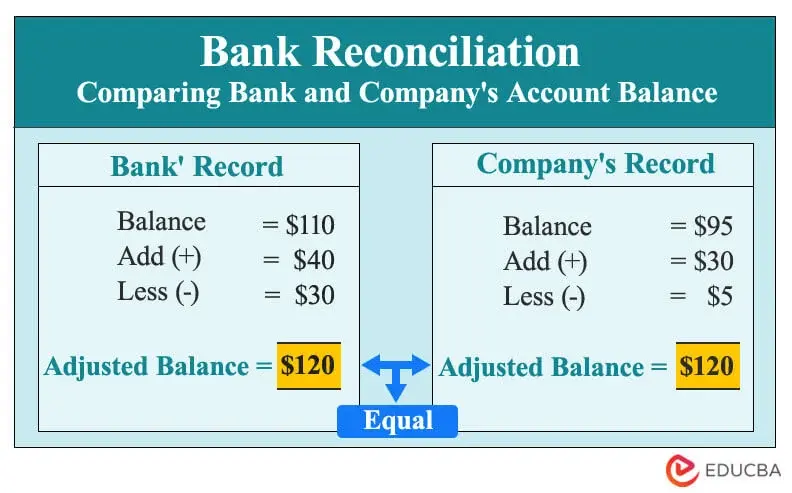
Account reconciliation is one of the most important aspects of bookkeeping cleanup.
A reconciliation compares:
Bank Statement Balance
to
Bookkeeping Software Balance
Differences are identified and corrected.
Without reconciliations, financial reports should never be considered fully reliable.
Step 3: Correct Transaction Categorization
Incorrect categorization is one of the most common bookkeeping problems.
Examples include:
Materials Recorded as Office Supplies
This may distort Cost of Goods Sold calculations.
Equipment Recorded as Expenses
Large purchases may need to be recorded as assets rather than operating expenses.
Personal Expenses Recorded as Business Expenses
This creates tax and reporting complications.
Accurate categorization improves the quality of financial reporting.
Step 4: Review Accounts Receivable
Accounts receivable represents money owed to the business.
Cleanup may involve:
Reviewing unpaid invoices
Removing duplicate invoices
Correcting customer balances
Identifying overdue accounts
Businesses often discover outstanding invoices that were forgotten months earlier.
Step 5: Review Accounts Payable
Accounts payable represents money owed to vendors and suppliers.
Cleanup helps ensure:
Bills are recorded properly
Vendor balances are accurate
Duplicate entries are removed
Outstanding obligations are understood
This information improves cash flow planning.
Common Problems Found During Bookkeeping Cleanup
Bookkeeping cleanup projects often uncover a variety of issues.
Personal and Business Expenses Mixed Together
This is one of the most common bookkeeping mistakes.
Examples include:
Personal groceries
Family vacations
Personal subscriptions
Household expenses
When personal transactions appear in business records, financial reports become inaccurate.
Missing Income
Customer payments sometimes go unrecorded.
This causes revenue to appear lower than it actually is.
Missing Expenses
Unrecorded expenses can artificially inflate profit.
Business owners may believe they are more profitable than they actually are.
Duplicate Transactions
Duplicate entries can:
Overstate expenses
Overstate income
Create inaccurate account balances
Regular review helps prevent these problems.

How Bookkeeping Cleanup Improves Financial Reporting
Accurate bookkeeping leads to more reliable financial reports.
These reports help business owners understand the true financial condition of their business.
Profit and Loss Statement
A Profit and Loss Statement shows:
Revenue
Expenses
Net Profit
Cleanup ensures these numbers are accurate.
Balance Sheet
A Balance Sheet shows:
Assets
Liabilities
Equity
Cleanup helps ensure balances are properly recorded.
Cash Flow Statement
Cash flow reporting helps answer one critical question:
Where is the money going?
Cleanup improves the accuracy of cash flow reporting and helps identify financial trends.
How Bookkeeping Cleanup Helps During Tax Season
Tax season is often when bookkeeping problems become most noticeable.
Common issues include:
Missing expenses
Incorrect categories
Missing income
Unreconciled accounts
Incomplete records
Clean books help:
Reduce stress
Improve accuracy
Speed up tax preparation
Reduce professional preparation time
Proper bookkeeping also helps support deductions and maintain organized financial records.

Businesses That Commonly Benefit from Cleanup Services
Bookkeeping cleanup can help nearly any business.
Examples include:
Contractors
Landscapers
Electricians
Plumbers
Retail businesses
Consultants
Real estate professionals
Sole proprietors
Single-member LLCs
Service businesses
Businesses experiencing growth often benefit the most because bookkeeping frequently falls behind during busy periods.
Preventing Future Cleanup Projects
The best cleanup project is the one you never need.
Business owners can reduce future bookkeeping problems by:
Categorizing transactions monthly
Reconciling accounts monthly
Reviewing reports regularly
Tracking invoices consistently
Maintaining organized records
Reviewing cash flow regularly
Consistency is one of the most effective ways to maintain clean books.

Frequently Asked Questions
What is bookkeeping cleanup?
Bookkeeping cleanup is the process of correcting, organizing, and updating financial records to improve accuracy and reporting.
How do I know if my books need cleanup?
Common signs include unreconciled accounts, inaccurate reports, duplicate transactions, missing records, and bookkeeping that has fallen behind.
How far back can bookkeeping cleanup go?
Cleanup projects can range from a few months to several years depending on the condition of the books.
Does bookkeeping cleanup include reconciliations?
Yes. Reconciliation is typically one of the most important parts of a bookkeeping cleanup project.
Why is bookkeeping cleanup important?
It helps improve financial reporting, tax preparation, cash flow management, and overall business decision-making.
Can bookkeeping cleanup help before tax season?
Absolutely. Clean books help simplify tax preparation and improve financial accuracy.
Final Thoughts
Bookkeeping cleanup is more than simply fixing errors. It is an opportunity to restore confidence in your financial records and gain a clearer understanding of your business.
Accurate bookkeeping provides the foundation for better decision-making, improved cash flow management, reliable financial reporting, and smoother tax preparation.
Whether your books are a few months behind or have accumulated years of issues, addressing bookkeeping problems now can help create a stronger financial future for your business.
Call to Action
Accurate financial records are essential for making informed business decisions.
Whether your books need minor corrections or a complete cleanup, restoring organization and accuracy can help improve financial visibility and reduce unnecessary stress.



Comments