

What Is Job Costing? A Complete Guide for Small Business Owners
- rhpersonalbookkeep
- Jun 5
- 6 min read


Understanding profitability is one of the most important responsibilities of any business owner. While many businesses track overall revenue and expenses, they often struggle to determine how much money individual projects, jobs, customers, or contracts are actually generating.
This is where job costing becomes valuable.
Job costing is a financial management method that helps businesses track the costs and profitability of individual jobs, projects, contracts, or customer engagements. Rather than viewing business finances only at a company-wide level, job costing allows business owners to analyze each job separately to determine whether it was profitable, broke even, or resulted in a loss.
For businesses that perform project-based work, job costing can provide valuable insights into labor costs, material expenses, equipment usage, subcontractor costs, and overall project profitability.
In this guide, we will explain what job costing is, how it works, why it matters, common mistakes to avoid, and how businesses can use job costing to make better financial decisions.
What Is Job Costing?
Job costing is an accounting method used to track the costs associated with a specific project, customer, contract, service, or job.
Instead of combining all expenses into one general category, businesses assign costs directly to individual jobs.
This allows business owners to answer important questions such as:
Did this project make money?
Which jobs are most profitable?
Are labor costs too high?
Did materials exceed the budget?
Are pricing strategies working?
Which customers generate the best returns?
Job costing provides a clearer picture of profitability than simply reviewing company-wide financial statements.
Why Job Costing Matters
Many business owners know their annual revenue and overall profit, but they do not know whether individual projects are profitable.
For example:
A business may generate $500,000 in annual revenue and $50,000 in profit.
While that information is helpful, it does not reveal:
Which jobs made money
Which jobs lost money
Which services are most profitable
Which customers are most valuable
Job costing fills this gap by providing project-level financial information.
Businesses That Commonly Use Job Costing
Job costing is especially useful for businesses that perform customized work.
Examples include:
Construction Companies
Track labor, materials, equipment, permits, and subcontractors for each project.
Remodeling Contractors
Monitor expenses and profitability on individual renovation jobs.
Landscaping Companies
Track labor, supplies, and equipment costs by customer project.
HVAC Contractors
Monitor installation and service project profitability.
Electricians
Track labor and materials associated with specific customer jobs.
Plumbing Businesses
Measure costs and profitability for repairs and installations.
Marketing Agencies
Track employee time and project-related expenses.
Consultants
Monitor billable hours and project costs.
Manufacturing Businesses
Track production costs for specific products or orders.
How Job Costing Works

The basic concept of job costing is simple.
Every cost associated with a project is assigned to that project.
These costs are then compared against the revenue generated by the job.
The result is a clear picture of profitability.
Basic Formula
Revenue from Job
Minus
Labor Costs
Minus
Material Costs
Minus
Equipment Costs
Minus
Subcontractor Costs
Equals
Job Profit
Example of Job Costing
A contractor completes a kitchen renovation project.
Revenue:
$25,000
Direct Labor:
$7,000
Materials:
$6,500
Subcontractors:
$2,000
Equipment Usage:
$500
Total Job Costs:
$16,000
Profit:
$25,000 - $16,000 = $9,000
Without job costing, the contractor may not know whether the project was profitable.
Components of Job Costing
Most job costing systems track several categories of costs.
Direct Labor
Direct labor includes employee time spent working directly on a project.
Examples include:
Construction crews
Technicians
Installers
Mechanics
Project workers
Accurate labor tracking is often one of the most important parts of job costing.
Materials
Materials include products and supplies used specifically for a project.
Examples include:
Lumber
Concrete
Wiring
Pipes
Flooring
Paint
Hardware
Material costs should be assigned directly to the appropriate job whenever possible.
Equipment Costs
Many businesses use equipment to complete projects.
Examples include:
Excavators
Trucks
Forklifts
Trailers
Specialized tools
Equipment usage can be assigned to individual jobs to improve profitability analysis.
Subcontractor Costs
Many businesses hire outside contractors for portions of a project.
Examples include:
Electricians
Plumbers
Roofing specialists
Concrete crews
Subcontractor expenses should be assigned to the related project.
Permits and Fees
Certain projects require permits and regulatory fees.
Examples include:
Building permits
Inspection fees
Environmental permits
These costs can significantly affect profitability.
Understanding Direct vs Indirect Costs
One important concept in job costing is distinguishing between direct and indirect costs.
Direct Costs
Direct costs can be tied directly to a specific job.
Examples:
Labor
Materials
Subcontractors
Indirect Costs
Indirect costs support the business but cannot easily be assigned to one project.
Examples:
Office rent
Administrative salaries
Utilities
Accounting fees
Understanding the difference helps improve reporting accuracy.
Benefits of Job Costing

Businesses that use job costing often experience several advantages.
Better Profitability Analysis
Job costing reveals which projects generate the most profit.
This allows businesses to focus on their most profitable work.
Improved Pricing Decisions
Many businesses underprice services because they do not fully understand their costs.
Job costing helps establish pricing that supports profitability.
More Accurate Estimates
Historical job costing data helps businesses create more accurate future estimates.
Better Budget Management
Managers can compare actual costs against budgets throughout a project.
Improved Resource Allocation
Job costing helps determine how labor, materials, and equipment are being used.
Better Financial Visibility
Business owners gain a clearer understanding of project performance.
Job Costing vs Traditional Bookkeeping
Traditional bookkeeping focuses on overall company finances.
Job costing focuses on individual projects.
Traditional Bookkeeping Answers:
How much revenue did we earn?
What were total expenses?
What was net profit?
Job Costing Answers:
Which jobs made money?
Which jobs lost money?
Which customers are most profitable?
Which services generate the highest margins?
Both systems work together to provide a complete financial picture.
Common Job Costing Mistakes
Many businesses attempt job costing but make mistakes that reduce its effectiveness.
Not Tracking Labor Accurately
Labor is often one of the largest project expenses.
Without accurate time tracking, job profitability becomes unreliable.
Forgetting Small Material Costs
Small expenses can accumulate and significantly affect profits.
Failing to Include Equipment Costs
Equipment usage creates real business expenses.
Ignoring these costs can overstate profitability.
Delayed Data Entry
Job costing works best when information is recorded promptly.
Using Estimates Instead of Actual Costs
Actual costs provide more accurate profitability reporting.
Job Costing and Cash Flow

Profitability and cash flow are not always the same.
A job may appear profitable on paper but still create cash flow challenges.
Example:
A project generates:
Revenue: $50,000
Costs: $35,000
Profit: $15,000
However, if the customer delays payment, the business may still experience cash flow problems.
This is why businesses should monitor both profitability and cash flow.
Using Job Costing to Improve Estimates
One of the greatest benefits of job costing is improving future estimates.
Historical job data can reveal:
Typical labor hours
Material usage
Equipment costs
Profit margins
This information helps businesses create more accurate proposals.
How Job Costing Helps Prevent Underpricing
Many businesses lose money because they underestimate project costs.
Job costing provides visibility into actual expenses.
When business owners understand true project costs, they can price services more effectively.
Job Costing and Financial Reporting
Job costing supports several important financial reports.
Profitability Reports
Show profit by project.
Cost Analysis Reports
Identify expense trends.
Budget Comparison Reports
Compare estimated costs versus actual costs.
Project Performance Reports
Evaluate operational efficiency.
Technology and Job Costing
Modern bookkeeping software can simplify job costing.
Features often include:
Project tracking
Time tracking
Expense allocation
Cost reporting
Profitability reporting
Budget monitoring
Technology can improve accuracy and reduce administrative work.
Why Small Businesses Should Use Job Costing
Small businesses often operate with tighter profit margins than larger companies.
Even small improvements in cost tracking can significantly impact profitability.
Job costing helps business owners:
Understand project performance
Improve estimates
Increase profitability
Manage resources more effectively
Make informed business decisions
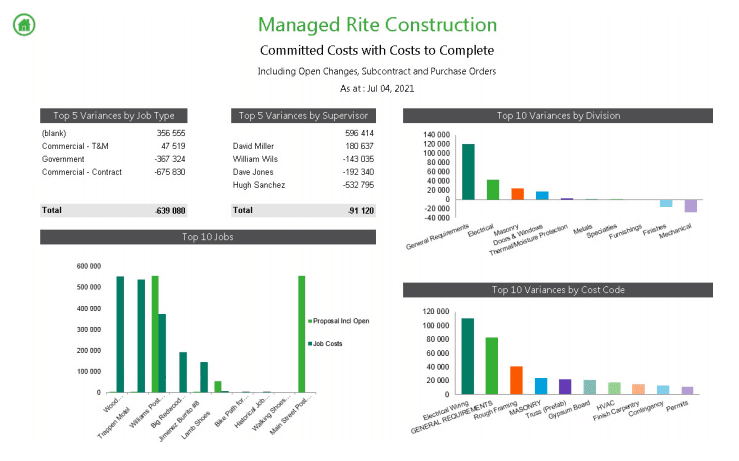
Frequently Asked Questions
What is job costing?
Job costing is a method of tracking expenses and profitability for individual projects, jobs, contracts, or customers.
Who should use job costing?
Businesses that perform project-based work often benefit from job costing, including contractors, landscapers, consultants, manufacturers, and service providers.
What costs are included in job costing?
Common costs include labor, materials, equipment usage, subcontractors, permits, and other project-related expenses.
Why is job costing important?
Job costing helps businesses understand profitability, improve pricing, manage costs, and make informed decisions.
Is job costing only for construction companies?
No. Many industries use job costing, including consulting, manufacturing, landscaping, marketing, and professional services.
Can job costing improve profitability?
Yes. Job costing helps identify profitable work, control expenses, and improve pricing strategies.
Final Thoughts
Job costing is one of the most valuable financial tools available to project-based businesses. By tracking labor, materials, equipment, subcontractors, and other project expenses, business owners can gain a clearer understanding of profitability and performance.
Whether you operate a construction company, landscaping business, consulting firm, manufacturing operation, or another project-based business, job costing can provide the information needed to improve estimates, strengthen profitability, and make more informed financial decisions.


Comments